


Some Monologues comprises eleven scripts and transcripts generated over fifteen years, a period in which I became a precariat, had new aches and pains, learned to stop ending relationships prematurely, and continued to struggle against oblivion. These events inspired some theoretical and artistic directions for my work: through digital labor’s factory farms, toward the distant horizons of speculative design, below the world’s audible frequencies, and into the hands of cultural conservators.
What connects these eleven texts: each is a monologue in one form or another. Whereas a soliloquy is private speech that listeners happen to overhear, a monologue addresses them. A few of the scripts in Some Monologues even solicit a response.
The eleven books on this shelf have been wayfinding devices for me. For ease of navigation, I have organized them into four categories:
1. ADDRESS contains Henry Fielding’s An Apology for the Life of Mrs. Shamela Andrews (1741), Samuel R. Delany’s Babel-17 (1966), and Dina Al-Kassim’s On Pain of Speech: Fantasies of the First Order and the Literary Rant (2010). Bearing particular relevance to my projects I’m that angel (2011–), NaturallySpeaking (2013–2015), and Prepared Remarks (2020), they respectively satirize writing “in the present Tense,” model a world of strict linguistic determinism, and champion the “unsovereign” speech of ranters and dissenters.

An Apology for the Life of Mrs. Shamela Andrews
Henry Fielding
Oxford University Press, 2008 [1741]
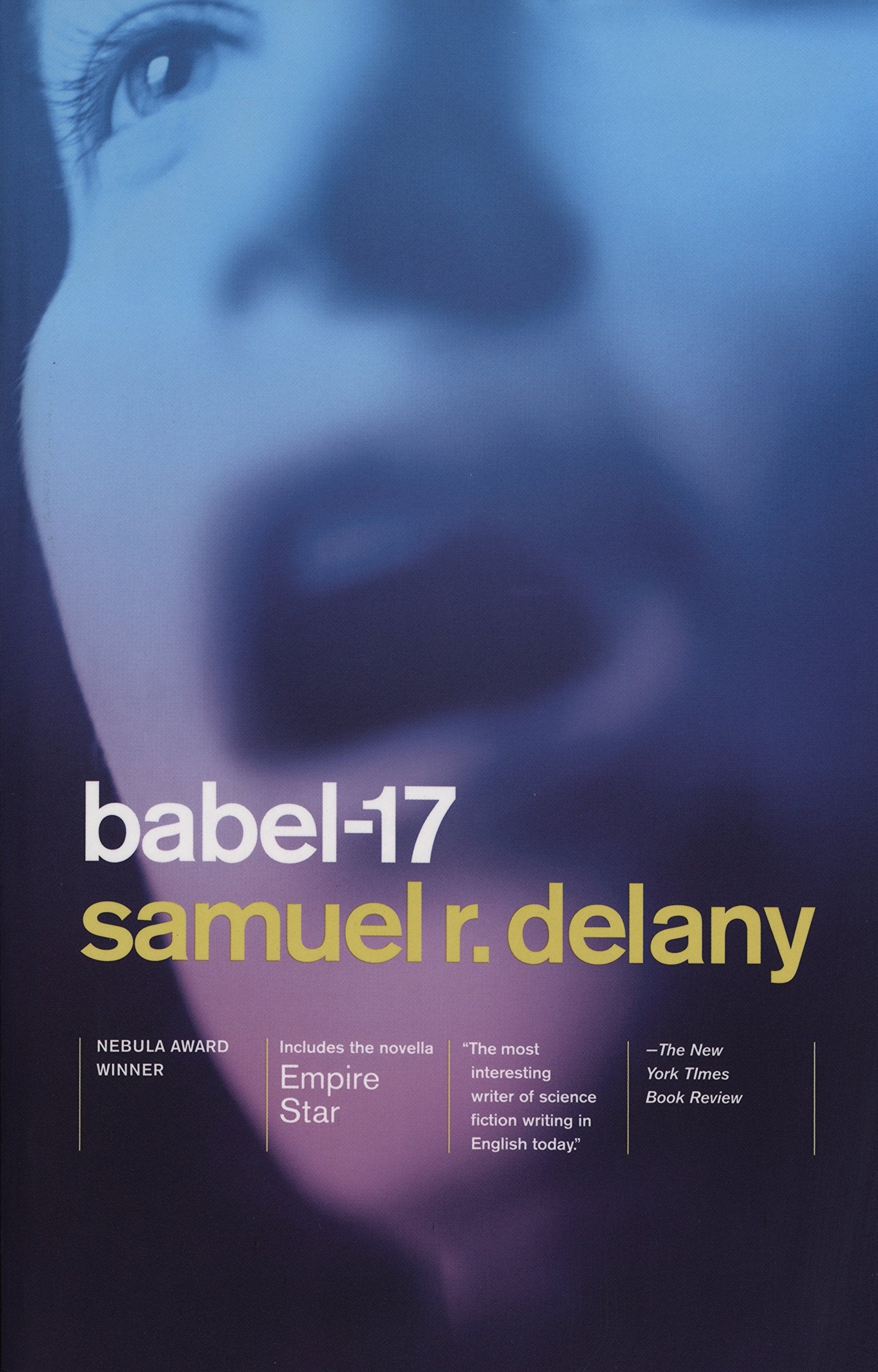
Babel-17
Samuel R. Delany
Vintage Books, 2000 [1966]
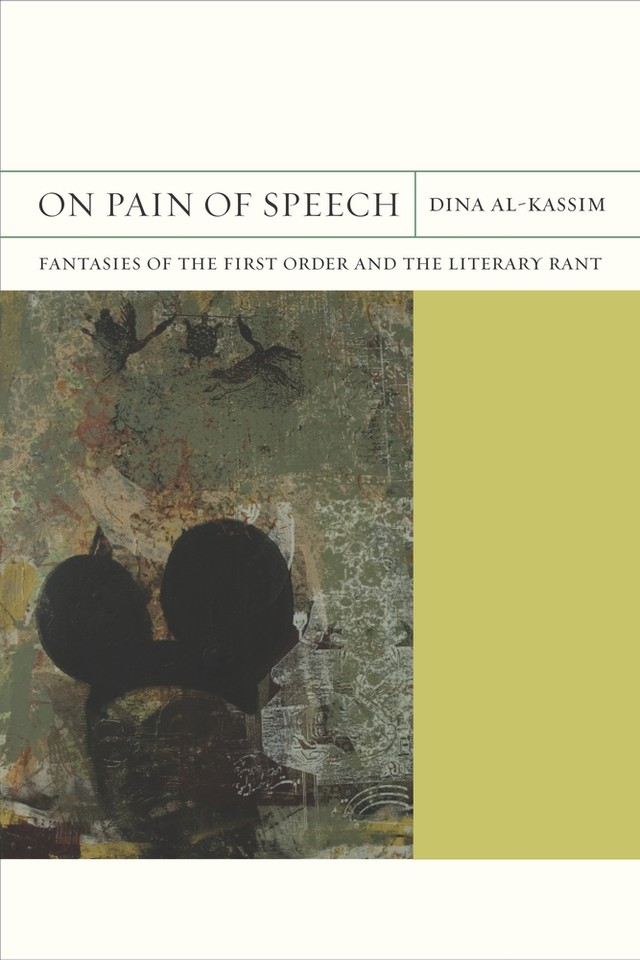
On Pain of Speech: Fantasies of the First Order and the Literary Rant
Dina Al-Kassim
University of California Press, 2010
2. BODIES relates to my projects Seven Portraits on a Correalist Rocker (2009), Ergonomic Futures (2016–), and Tratteggio (2018). One book, Helen Rees Leahy’s Museum Bodies (2012), is an exploration of how the etiquette of art viewing has developed since the inception of the Western museum. The other, David Getsy’s Abstract Bodies (2015), claims that abstract sculpture shows us bodies “without mimesis” that “facilitate capacities for seeing the human otherwise.”

Museum Bodies: The Politics and Practices of Visiting and Viewing
Helen Rees Leahy
Routledge, 2012

Abstract Bodies: Sixties Sculpture in the Expanded Field of Gender
David J. Getsy
Yale University Press, 2015
3. PERSON includes Paul Valery’s Sea Shells (1936), Roberto Esposito’s Third Person (2007), and Some Monologues contributor Spyros Papapetros’s On the Animation of the Inorganic: Art, Architecture, and the Extension of Life (2016). These texts influenced and are partly quoted in Richard Roe (2017–), my work about the legal person and the actors—human and inhuman—that inhabit it to various ends.

Sea Shells
Paul Valéry
Trans. Ralph Manheim
Beacon Press, 1998 [1936]

Third Person: Politics of Life and Philosophy of the Impersonal
Roberto Esposito
Polity Press, 2012

On the Animation of the Inorganic: Art, Architecture, and the Extension of Life
Spyros Papapetros
University of Chicago Press, 2012
4. SITE pertains to my ongoing practice of site-specific writing and speaking. The key book is Miwon Kwon’s One Place After Another (2002), as its elaboration of physical, institutional, and discursive notions of site has informed such projects as Medium No. 1 (Manhattan) (2008–2009), Resonator (2016–), and Overgrowth (2020). Ryūnosuke Akutagawa’s story “The Devil and Tobacco” (1916), referenced by Some Monologues contributor Yu Araki in our conversation about my work Candlestick Man (2023), claims that the devil, disguised as one of the first European missionaries in Japan, introduced tobacco to the country. Stéphane Mallarmé’s unfinished The Book, which the poet designed to be read unbound in intimate, séance-like settings, has been an inspiration since I began performing.

One Place After Another: Site-Specific Art and Locational Identity
Miwon Kwon
MIT Press, 2002

“The Devil and Tobacco” (1916) In Tales Grotesque and Curious
Ryūnosuke Akutagawa
Trans. Glenn W. Shaw
Hokuseido Press, 1930

The Book
Stéphane Mallarmé
Trans. Sylvia Gorelick
Exact Change, 2018 [1957]